
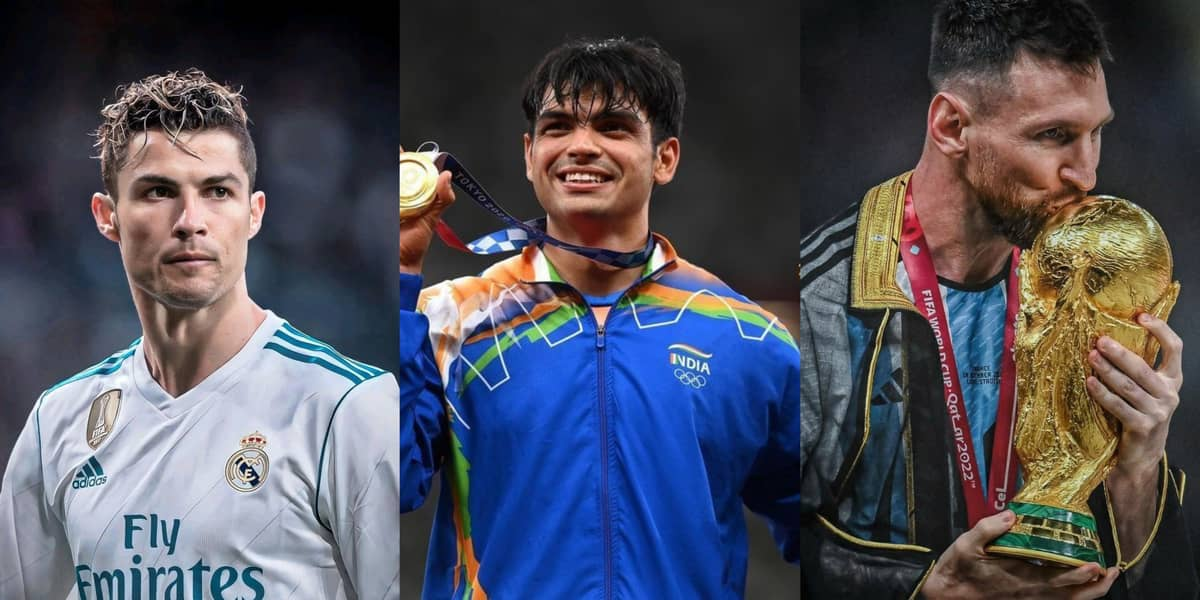
Modern celebrity culture has shifted far beyond performance alone. Athletes are no longer followed solely for what they do in stadiums or arenas; their relationships, family lives, and personal narratives now play a major role in shaping public perception and media engagement. In many cases, an athlete’s off-field story can generate as much attention as their sporting achievements, driven by social media amplification and 24/7 digital coverage.
Recent media studies suggest that over 60% of sports-related online engagement now includes some form of personal or lifestyle content, rather than pure performance analysis. This shift reflects a broader cultural change in how audiences connect with public figures: they are not just watching athletes compete—they are following their lives.
From Performance to Personal Narrative
Traditionally, athletes were judged primarily on statistics, wins, and championships. Today, however, narrative has become equally important. Fans want to understand who athletes are beyond their performance metrics: who they are dating, how they raise their children, and how they balance family life with demanding schedules.
This transformation has been accelerated by social media platforms, where athletes share personal milestones directly with millions of followers. Birth announcements, wedding celebrations, and family vacations often receive engagement levels comparable to major career highlights.
In some cases, athlete relationship posts generate engagement rates 3–5 times higher than standard performance-related updates, according to digital media analytics reports.
The Role of Social Media in Shaping Public Perception
Social media has effectively removed the barrier between athletes and audiences. Platforms like Instagram, TikTok, and X allow fans to follow personal lives in real time, creating a continuous narrative that extends far beyond competition days.
This constant visibility has elevated the importance of athlete relationships in shaping overall public image. A well-received family post can strengthen fan loyalty, while negative personal publicity can quickly influence brand perception.
In broader conversations, especially around the hype of the World Cup, betting hubs such as DraftKings Sportsbook often reflect how closely sports culture and personal storytelling now overlap, with fan attention extending beyond the game itself into broader narratives surrounding athletes and comparisons about their potential performances.
Family Life as a Brand Element
One of the most notable developments in modern celebrity culture is the way athletes’ families have become part of their public brand. Partners and children are frequently included in media coverage, sponsorship campaigns, and social content strategies.
This has led to a new form of “family branding,” where an athlete’s personal life contributes to their commercial value. Studies in sports marketing indicate that athletes with visible, positive family narratives often secure higher endorsement rates and longer-term sponsorship deals compared to those who maintain strictly private profiles.
Brands increasingly value relatability. An athlete who shares authentic glimpses of family life is often perceived as more approachable, which can translate into stronger consumer engagement.
The Rise of “Lifestyle Athletes”
A growing number of athletes are now categorized as “lifestyle athletes,” meaning their influence extends across sport, fashion, wellness, and family culture. These individuals often have significant followings that rival or exceed those of traditional entertainment celebrities.
Lifestyle athletes typically:
- share daily routines and parenting moments
- collaborate with fashion and wellness brands
- appear in lifestyle documentaries or reality content
- engage in long-form storytelling about personal growth
This expansion of influence has blurred the lines between sports figures and mainstream celebrities.
Data from influencer marketing platforms suggests that athletes with strong lifestyle branding can command endorsement premiums of up to 20–30% compared to performance-only counterparts.
Fan Emotional Investment and Parasocial Relationships
Another key factor driving this trend is the rise of parasocial relationships—one-sided emotional connections between fans and public figures.
As fans consume more personal content, they begin to feel emotionally connected to athletes and their families. This creates a deeper level of engagement that goes beyond traditional fandom.
Research in media psychology shows that parasocial relationships are significantly stronger when audiences are exposed to both professional and personal narratives. In sports, this means that seeing an athlete as both a competitor and a parent, partner, or sibling increases emotional attachment.
This emotional depth helps explain why personal stories often trend more widely than game highlights on social media platforms.
Media Coverage and the Blurring of Boundaries
Sports journalism has also evolved to reflect this cultural shift. Many outlets now dedicate significant coverage to athlete relationships, family milestones, and lifestyle developments.
While traditional reporting still focuses on performance, lifestyle content has become a key driver of traffic and engagement. Headlines about relationships or family events frequently outperform match analysis in terms of clicks and shares.
This has created a blurred boundary between sports reporting and entertainment journalism, where personal narratives are treated as integral parts of an athlete’s public identity.
Sponsorships and the Commercialization of Personal Life
The commercialization of athlete family life has also become increasingly visible. Brands often partner with athletes and their families in campaigns that emphasize authenticity, relatability, and emotional storytelling.
Common examples include:
- family-oriented lifestyle campaigns
- parenting-focused endorsements
- travel and hospitality partnerships
- wellness and nutrition branding tied to family routines
This trend reflects a broader shift in marketing strategy, where emotional connection is often more valuable than pure athletic performance.
In some cases, entire brand identities are built around the athlete-family narrative, turning personal life into a structured marketing asset.
Cultural Impact Beyond Sport
The influence of athlete relationships extends beyond sports and marketing. It also shapes broader cultural conversations around parenting, relationships, and modern family dynamics.
Athletes are often seen as role models, and their public family lives can influence societal perceptions of balance between career and home life. Discussions around shared parenting responsibilities, mental health, and work-life balance frequently emerge from athlete narratives.
This cultural influence highlights how sports figures now operate within a much larger social framework than ever before.
A New Era of Celebrity Identity
The modern athlete is no longer defined solely by performance metrics. Instead, identity is now built from a combination of athletic achievement, personal storytelling, and family visibility.
As digital platforms continue to evolve, the demand for personal content is likely to grow even further. Fans are increasingly invested not just in what athletes do, but in who they are when the game ends.
This shift marks a broader transformation in celebrity culture—one where personal life is not separate from professional identity, but an essential part of it.
In this new landscape, athlete relationships and family narratives are not just background stories; they are central to how modern celebrity culture is defined, consumed, and understood.
